New Brisbane Stadium: A game changer for Queensland sport
Author: Scott Beveridge
The new Brisbane Stadium, set to open in 2031, is poised to transform sport in Queensland, becoming a world-class venue for AFL, cricket, and major events.
Located at Victoria Park, the stadium will be ready in time for the 2032 Olympic and Paralympic Games and will serve as Queensland’s premier home for AFL and cricket, benefiting fans, players, and the broader community.
Queensland Cricket CEO Terry Svenson highlighted the immediate impact the stadium will have on the sporting landscape.
“We’re welcoming the First Test back to Brisbane into the new stadium in November 2032,” said Mr Svenson. “To have 60,000 fans, roaring as our Australian bowlers come in to take a few early wickets, will be outstanding.
“The Brisbane Heat will look forward to playing here, the Bulls and also the Fire, and we’re looking forward to welcoming international matches back here to Queensland.”
The stadium design, with a field of play matching the size and shape of the iconic MCG, will provide a world-class platform for athletes to perform at their best.
Queensland Test all-rounder Michael Neser shared his excitement about the opportunities the stadium will bring, even if he may not be playing by then.
“I don’t know if I’ll make it, but to be part of it would be a dream come true,” said Mr Neser. “It’s going to bring a lot to cricket, and I think sports around Australia, too. I think it will give players a platform to showcase their skills on a greater scale.”
The stadium will also become a key venue for AFL, with Brisbane Lions player Jasper Fletcher confident it will attract huge crowds.
“We’ll make sure we get it filled out, that’s for sure,” said Mr Fletcher. “We’ve got kids coming through, where junior footy is booming through the roof, so to have kids want to play here at this stadium in front of 60, 70,000 people, it’s going to be amazing.”

Beyond sport, the stadium is set to inspire the next generation of athletes and the wider community. Five-time Olympic beach volleyballer Natalie Cook said the stadium will become a symbol of aspiration for future Olympians and Paralympians.
“Just to see that the best in the world is right here in our backyard in Brisbane makes everybody rise – it makes our volunteers, our staff, our workers, our physios rise – everyone wants to be a part of Brisbane 2032,” said Ms Cook.
“For me, the opening ceremony is super special. I get goosebumps thinking about it, so I can’t wait to see our Australian team march into the opening ceremony in the Brisbane stadium.”
The stadium’s design will integrate seamlessly with its surroundings, sitting in a valley between two ridges, allowing the park to flow over and around the venue. The design is
being developed by a consortium that includes Japan’s Azusa Sekkei, known for designing Japan’s National Stadium for the Tokyo 2020 Olympic and Paralympic Games, and Australian firms COX Architecture and Hassell, who collaborated on Perth’s Optus Stadium.
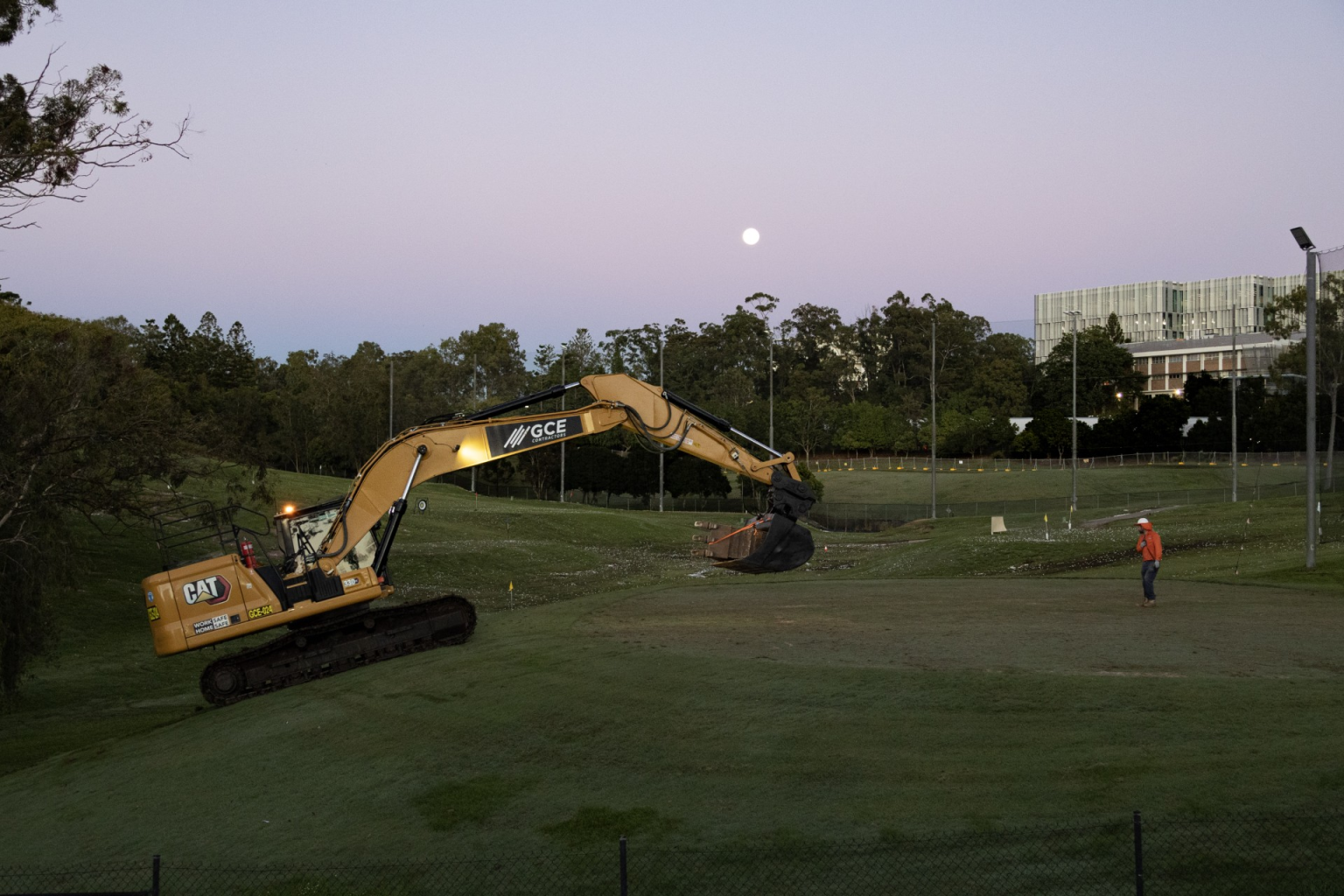
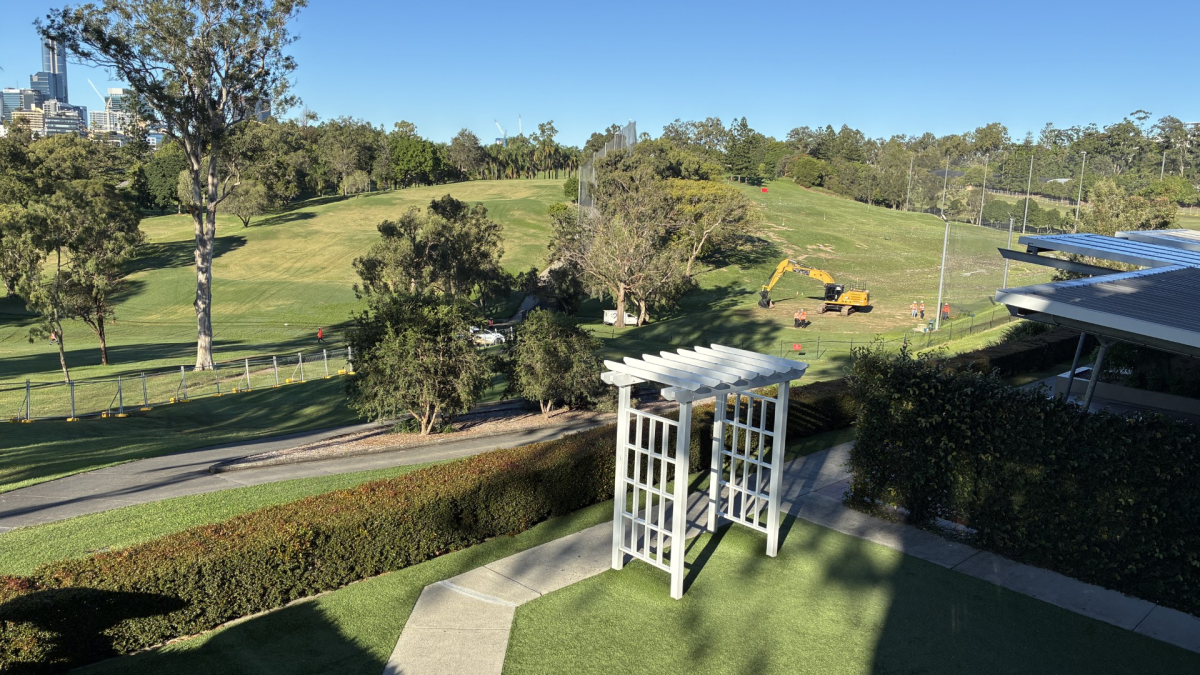
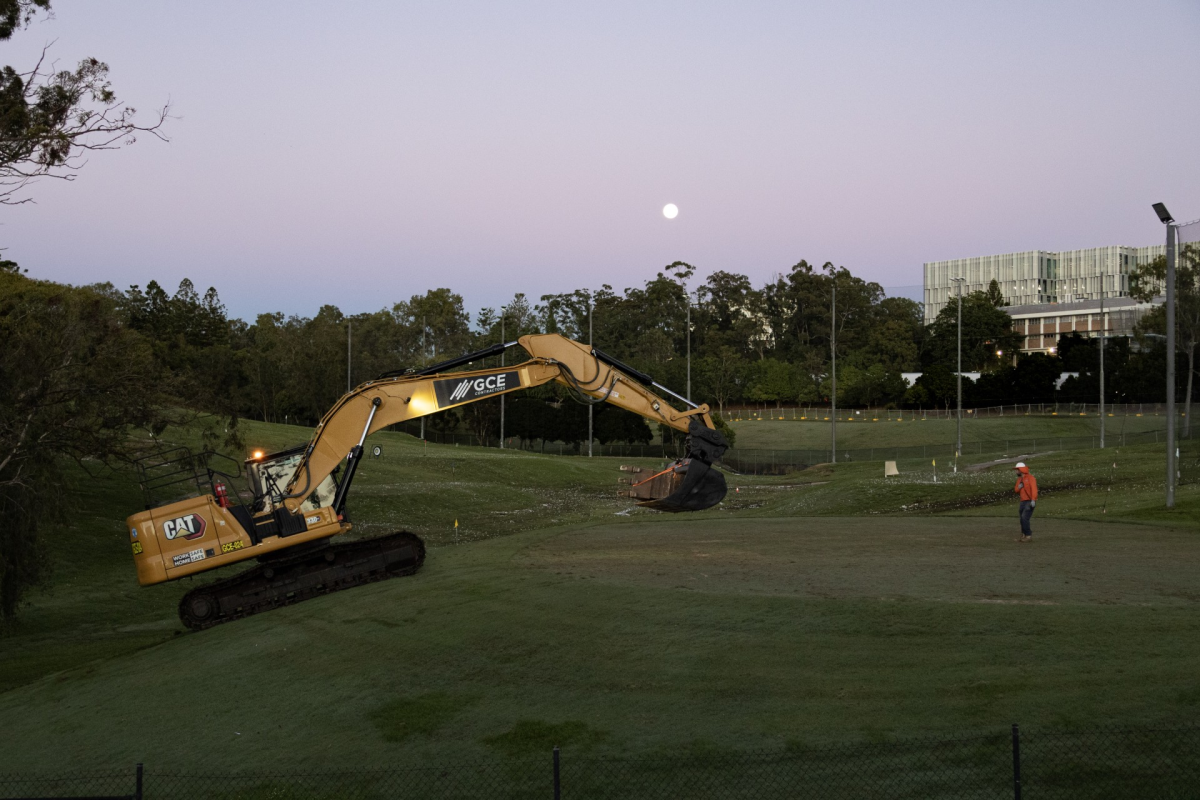
The Games Independent Infrastructure and Coordination Authority (GIICA) has already taken control of the Victoria Park site to begin initial works, including site preparation, demolition of existing infrastructure, and establishing construction areas. Bulk earthworks are scheduled to begin in late 2026, with construction starting in early 2027.
GIICA Chairman Stephen Conry emphasised the importance of careful planning to ensure the stadium meets the needs of the community and the Games.
“Victoria Park gives us an opportunity to be close to the CBD – all successful stadia around the world are close to the CBD, for all the economic benefits that brings,” said Mr Conry.
“Victoria Park was a substantially underutilised facility. We’ll make it a much more utilised amenity so that hundreds of thousands of people a year can enjoy it, rather than just the few.
“It’ll be 63,000 seats for sporting events, and up to 70,000 seats for entertainment events, and Brisbane desperately needs that.
“We expect to be finished in 2031, which gives us that period before the Olympics to give it lots of test runs. Time is of the essence, and we plan to use every day very wisely.”
The successful builder for the project is expected to be announced later in 2026.
With its state-of-the-art design and capacity to host world-class events, the new Brisbane Stadium will elevate Queensland’s sporting profile, attract visitors, and create memories for generations to come.