Club, Community and Connection: The Role of Sport in Regional Queensland
By Shantel Netzler, Chief Executive Officer, QSport
About the Author
Shantel Netzler is the Chief Executive Officer of QSport, Queensland’s peak independent body for sport. Shantel is passionate about the role sport plays in strengthening communities, supporting wellbeing and creating long-term economic and social outcomes across Queensland.
Shantel regularly writes on sport participation, community development, regional Queensland, governance and the legacy opportunities arising from Brisbane 2032.
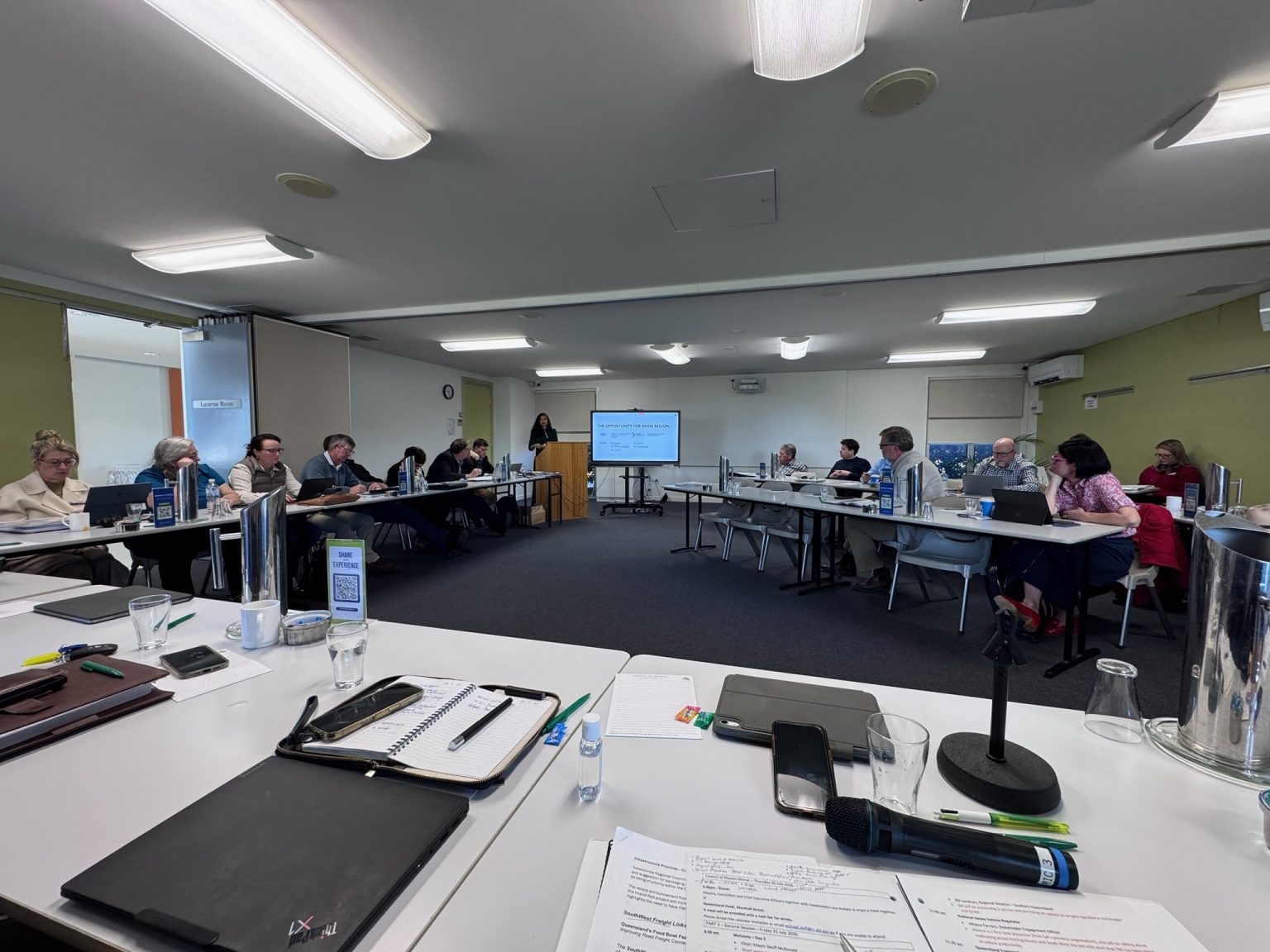
QSport recently joined the Darling Downs South West Queensland Council of Mayors to explore how sport can contribute to stronger communities, regional resilience and long-term prosperity as Queensland moves towards Brisbane 2032.
In regional Queensland, sporting clubs are often at the centre of community life. When communities face challenges such as drought, economic pressure and geographic isolation, these clubs become more than places to play sport. They become places where people connect, support one another and maintain a sense of belonging.
Across the Darling Downs and South West, sporting clubs are often more than places to play. They are gathering places, volunteer hubs, community connectors and, in many towns, among the most important institutions supporting local identity and belonging.
As Queensland progresses towards Brisbane 2032, the opportunity for regional communities extends well beyond participation. It is about how sport contributes to stronger communities, regional liveability, economic development and long-term prosperity. This was the focus of QSport’s recent presentation to the Darling Downs South West Queensland Council of Mayors (DDSWCoM).
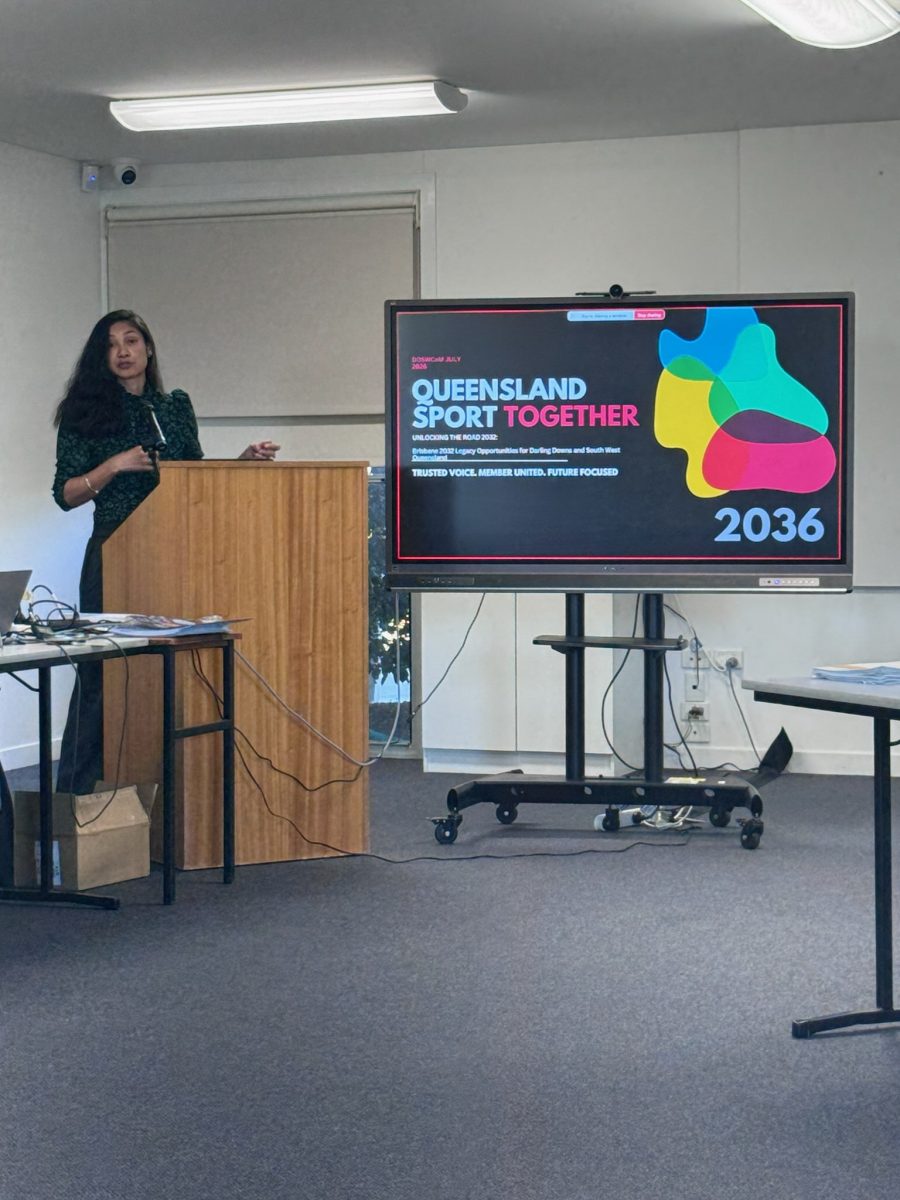
The presentation explored the alignment between the Queensland Government’s Queensland Spirit: The Road to 2032, QSport’s strategic direction and the DDSWCoM regional agenda. Discussions focused on how sport and active recreation can help deliver outcomes that matter deeply to regional communities, including economic growth, tourism, workforce development, community wellbeing and youth retention.
“Representing ten local government areas across one of Queensland’s most geographically significant regions, DDSWCoM has a strong track record of regional advocacy, infrastructure planning and economic development. QSport’s presentation highlighted the opportunity to position sport not as a standalone sector, but as a contributor to many of the priorities councils are already pursuing”, said Toowoomba Mayor Geoff McDonald, Chair of the DDSWCoM.
Across the Darling Downs and South West, communities may be separated by hundreds of kilometres, yet they remain connected through local clubs, volunteers, competitions, carnivals and regional events. For many people, sport provides one of the most consistent opportunities to connect with others, develop leadership skills, contribute to community life and build a sense of belonging.
Too often, sport is viewed solely through the lens of facilities, participation numbers or weekend competition. Yet in regional Queensland, sport functions as social infrastructure. It creates connections across generations, develops volunteers and leaders, strengthens community resilience and provides opportunities for people to belong, contribute and thrive.
The discussion also examined opportunities to leverage the Brisbane 2032 decade through:
- Regional sport infrastructure planning and investment.
- Events, sport tourism and regional visitation.
- Volunteer and workforce capability development.
- Stronger collaboration between local government and the sport sector.
- Long-term participation and legacy outcomes for communities across the region.
The presentation concluded with a discussion around a critical question for regional Queensland:
What would a successful Brisbane 2032 legacy look like for Darling Downs and South West Queensland, and what should we be doing now to achieve it?
Brisbane 2032 may be the catalyst, but the real opportunity lies beyond the Games themselves. Success will not simply be measured by medals won or venues delivered. It will be measured by stronger communities, increased participation, capable volunteers, thriving clubs and regions where people choose to live, work and contribute.
For regional Queensland, sport is more than recreation. It is an investment in community connection, resilience and prosperity. The challenge, and opportunity, is ensuring that these benefits are deliberately planned for and realised across every corner of the state.
As Queensland moves towards 2032, one thing remains clear: at a time when many regional communities are navigating the impacts of drought and economic uncertainty, the importance of strong social connections cannot be underestimated. Sport continues to provide opportunities for people to come together, support one another and maintain the community fabric that underpins regional Queensland.